
Introduction
I’ve always been drawn to creating worlds.
As a child, those worlds existed in my imagination, on sheets of paper, inside video games, or in forts built from blankets. Today, I create them through code.
I’m a Software Engineer focused on full-stack development, with a particular passion for frontend engineering — where thoughtful design, technology, and human interaction come together.
My journey here has been anything but straightforward. It took me through game modding, art school, sculpture, graphic design, and eventually programming.
Looking back, though, I can see that one thing has remained constant: I’ve always wanted to understand how things work and create something of my own.
How It Started
I was a curious, imaginative, and rather stubborn child.
I could spend hours drawing characters, inventing stories, building forts out of blankets, or pretending that a stick was a sword. I also had a habit of experimenting with things simply to discover what would happen. Sometimes that meant testing the limits of my toys in ways their manufacturers probably hadn’t anticipated.
Computers fascinated me in a similar way.
My first memorable experiences with video games came from playing on a PlayStation 2 in my brother’s room. Games like Jak and Daxter amazed me with their creativity, while Grand Theft Auto showed me how detailed and believable a virtual world could become.
What fascinated me wasn’t just playing. It was the realization that these entire worlds had been deliberately constructed.
Over time, I started noticing patterns. Characters that seemed different sometimes shared identical models, with only their appearances changed. I didn’t know anything about programming yet, but I was beginning to recognize the idea of reusable structures — something that would later remind me of classes, instances, and shared templates.
My older brother introduced me to console gaming, while my cousin opened the door to PC games and the possibilities hidden behind them.
One particularly important memory was discovering the Aurora Toolset in Neverwinter Nights. My cousin showed me how to experiment with the game’s content, including creating custom armor.
That changed my perspective.
For the first time, I realized that video games weren’t just worlds I could explore. They were worlds I could modify and, perhaps one day, create myself.
Then came Gothic.
And things got serious. At least as serious as they can get for a kid obsessed with a video game.
First Creations
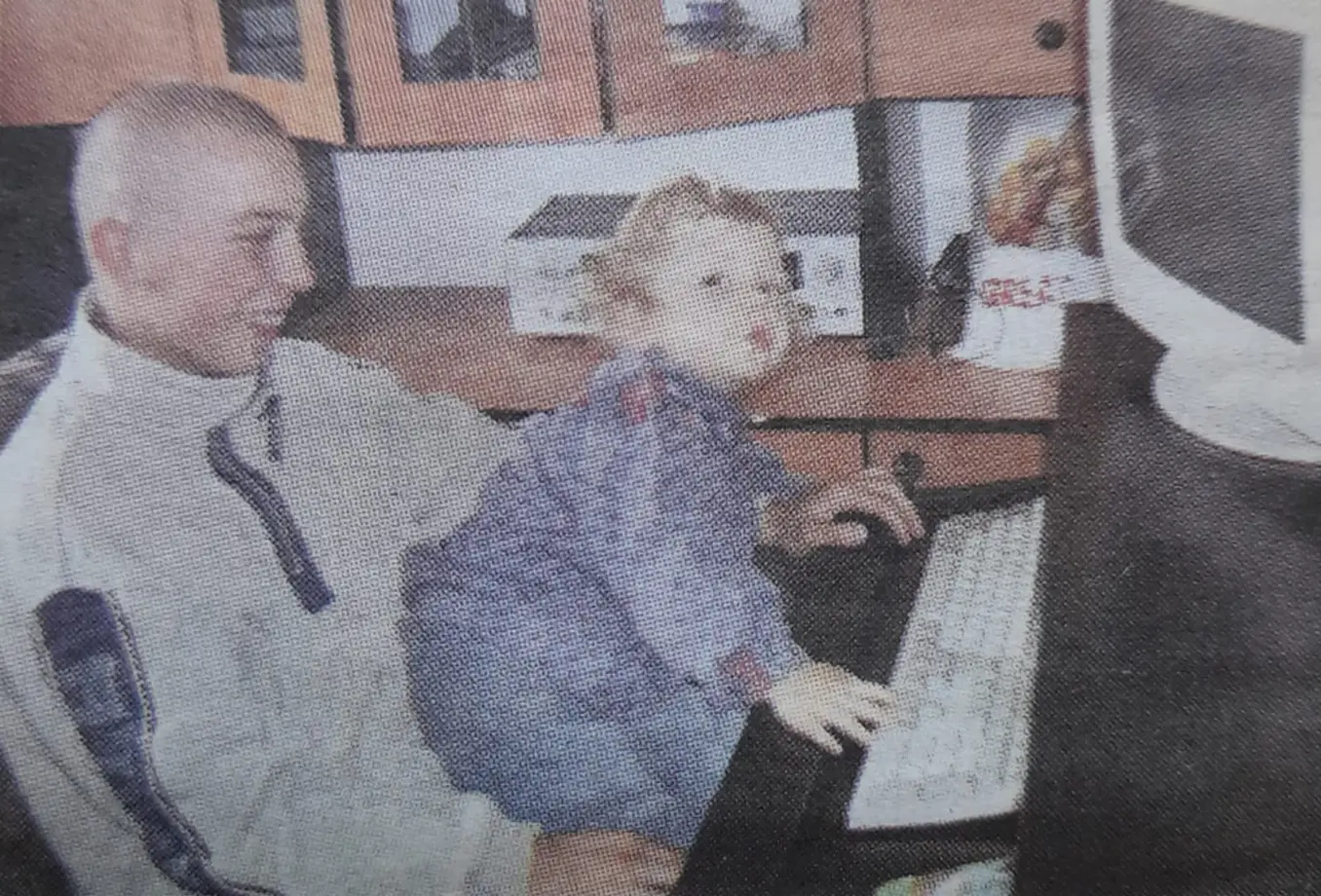
Around the age of ten, I became deeply involved in the Gothic community.
At the time, much of the community revolved around two things: modding and machinima — fan-made videos created inside the game, often with their own stories and voice acting.
Naturally, I wanted to try both.
I experimented with machinima, met people who shared my enthusiasm, and gradually became interested in modifying the game itself.
Following online tutorials and exploring German forums, I started learning the basics of Daedalus, the scripting language used by Gothic.
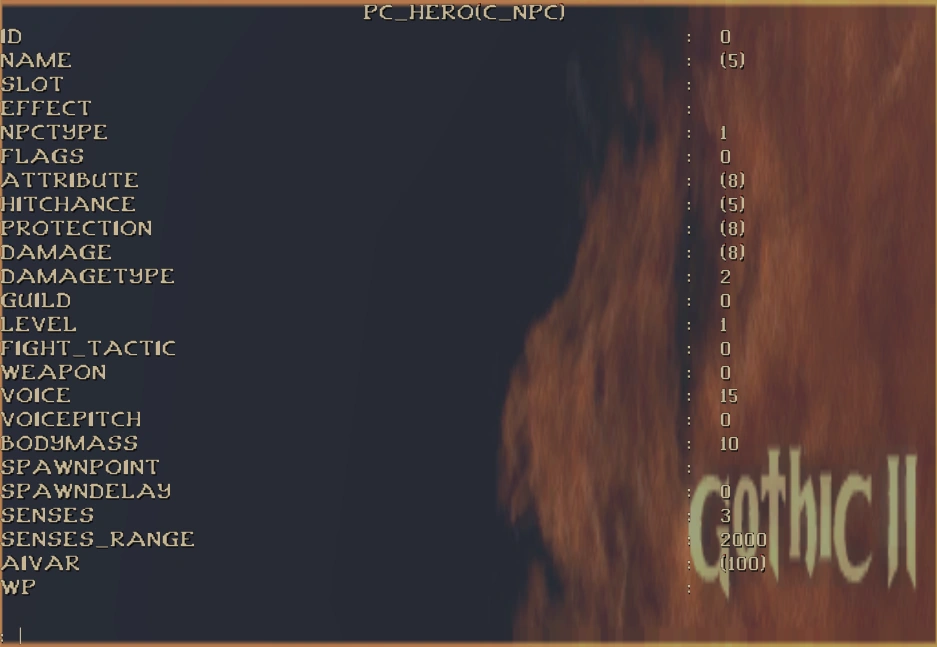
My first successful modification was adding a custom NPC.
It wasn’t particularly impressive from a technical perspective. I was essentially editing text files and following instructions.
But seeing a character I had added actually appear and function inside the game was incredibly exciting.
Something that had existed only as text was now part of a virtual world.
I also spent countless hours experimenting with the in-game console, discovering commands and figuring out how the game worked behind the scenes.
I kept stacks of handwritten notes filled with commands I’d discovered online or through experimentation.
Some of them are still engraved in my memory:
-
b marvin b— activate Marvin Mode, the game’s developer mode. -
F2— open the console. -
cheat god— immortality. Naturally, an essential feature. -
edit abilities→attribute→4— modify the character’s strength.
That last one was particularly useful when I wanted to wield weapons my character had absolutely no business carrying.
I approached other computer problems with the same mindset. When a quest broke, a game refused to launch, or something stopped working, I would search through forums, follow tutorials, experiment, and keep trying until I found a solution.
Most of the time, I did.
Back then, I wasn’t thinking about software engineering or programming careers. I was simply having fun, driven by curiosity and the satisfaction of figuring things out.
But looking back, those experiences were my first encounters with programming logic, problem-solving, and systems thinking.
They also taught me something that continues to shape how I learn today: experimentation is often the best way to understand something.
Art School — Learning to Create
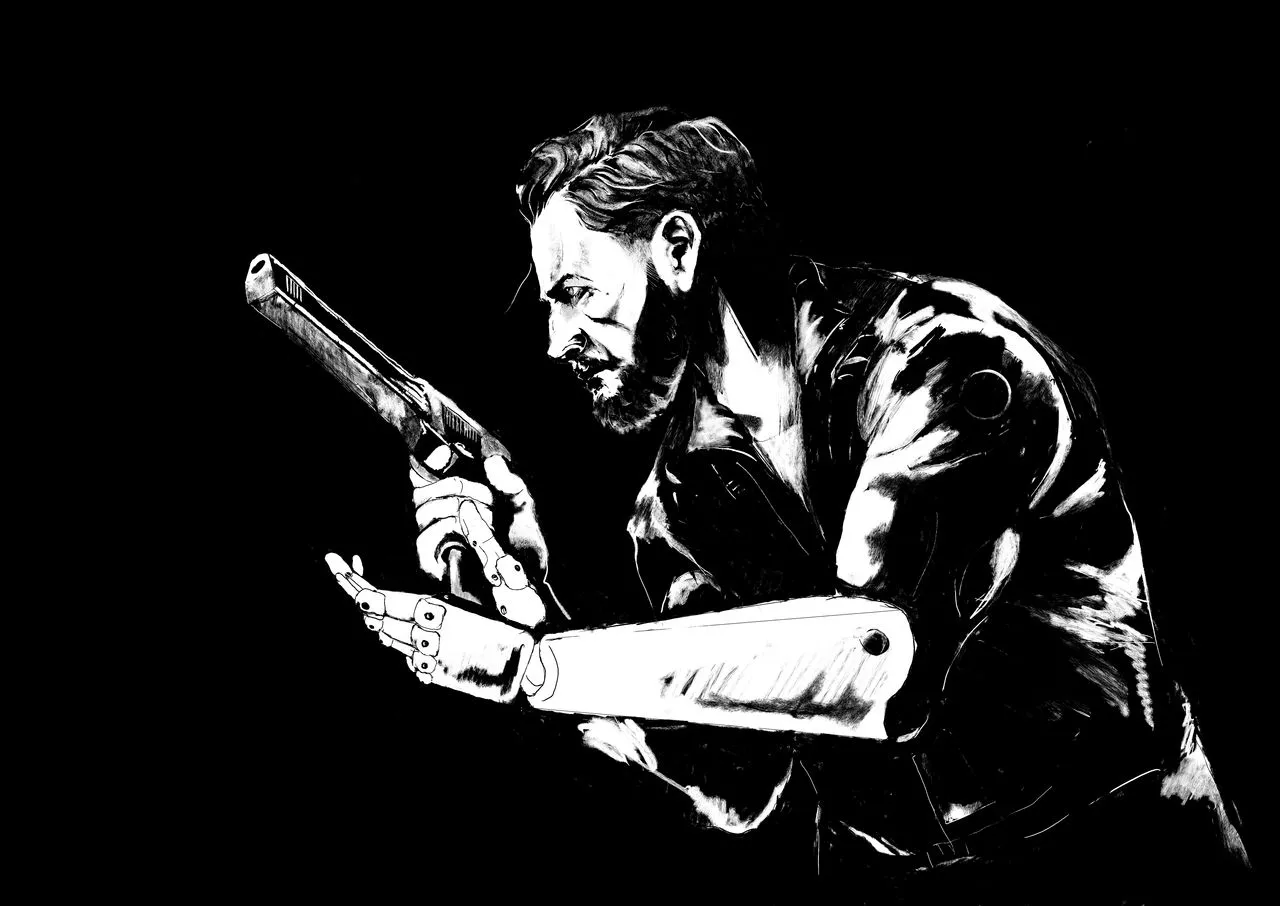
Art was as important to me as technology. I grew up drawing characters from video games, inspired in part by Yoji Shinkawa and his work on Metal Gear Solid.
When I had to choose between a technical and an artistic education, I followed the path I knew best.
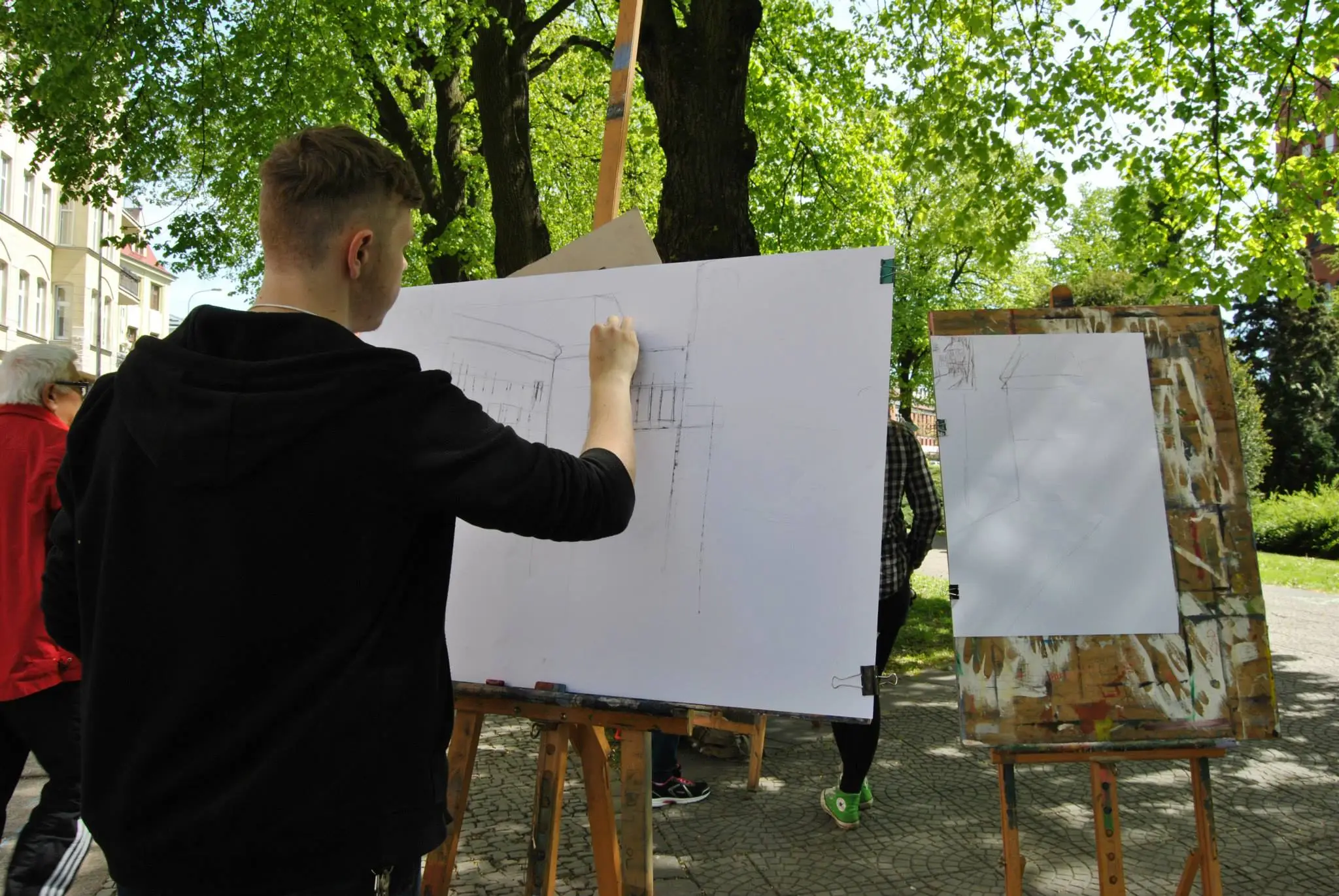
I attended art high school in Słupsk. I originally wanted to study graphic design, but that specialization wasn’t available, so I focused on interior decoration.
I learned drawing, composition, proportion, and spatial thinking, and eventually discovered that sculpture was my strongest discipline.
Sculpture taught me to turn an idea into something tangible, to observe carefully, and to refine my work patiently. I didn’t know it yet, but those habits would later shape how I approached building software.
Finding a Different Direction
After high school, I was accepted into an Academy of Fine Arts to study sculpture — a goal I’d worked hard to achieve.
Yet once I was there, I started questioning whether it was the future I wanted. I loved making art, but I struggled to see a career that offered the independence and practical impact I was looking for.
After about six months, I left the academy. I worked in a furniture store, briefly studied graphic design at another university, and continued experimenting with digital illustration and photography.
I hadn’t lost my desire to create; I was searching for a different medium.
During the COVID-19 pandemic, I reflected on my direction and took a career aptitude test. Software development appeared among the suggested professions.
At first, I was skeptical of the promises surrounding IT careers, but then I remembered what had always fascinated me: modifying games, solving technical problems, and understanding how things worked.
Programming seemed to combine creativity, logic, and the chance to build something people could actually use. For the first time, it felt like a direction worth seriously exploring.
Discovering Programming
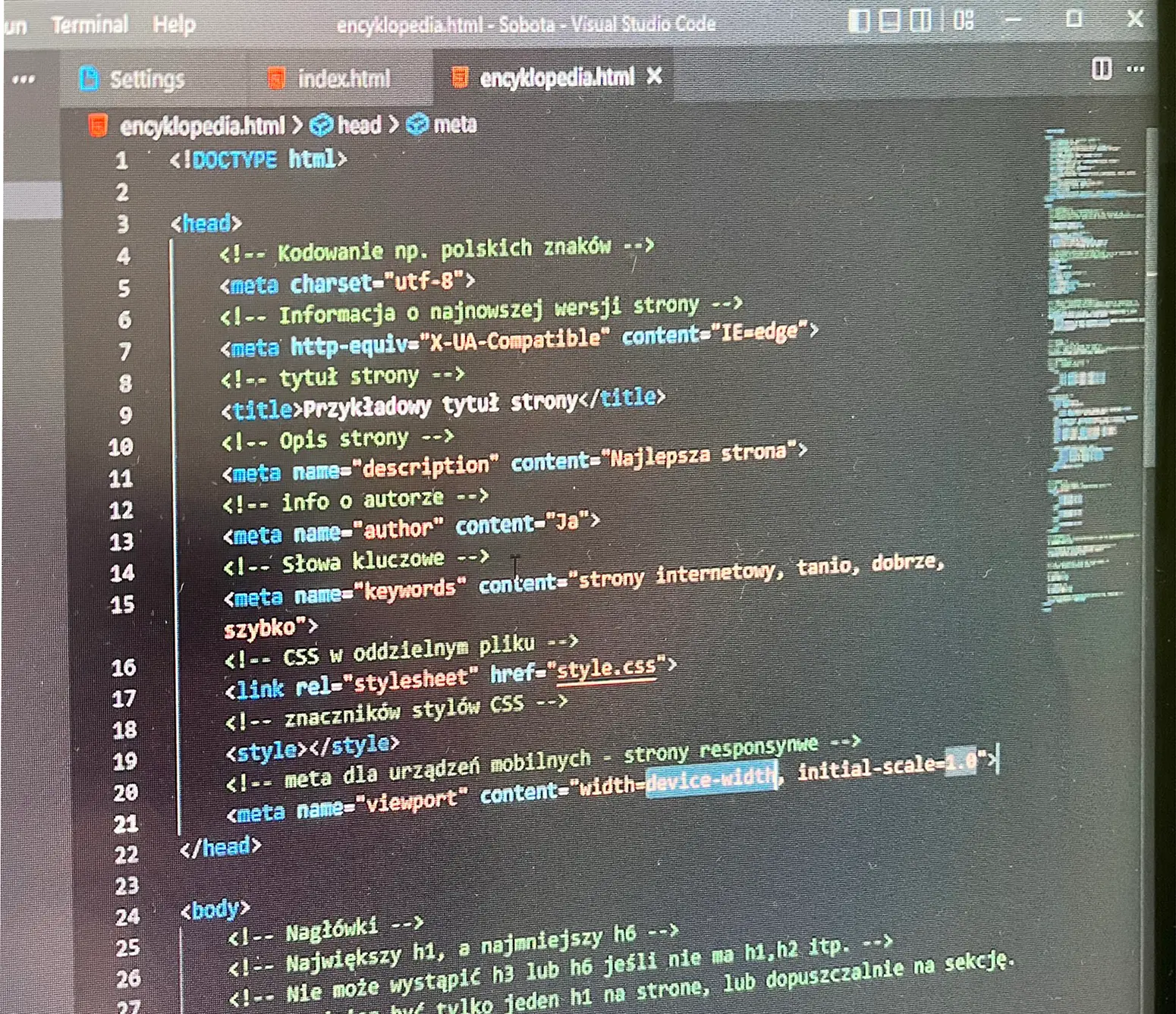
In 2022, I enrolled in a web and mobile application development course, learning HTML, CSS, SCSS, JavaScript, React, React Native, and PHP.
I wanted to find out whether building applications could be more than a passing interest.
I was drawn to frontend development almost immediately. I could write code, see the result, adjust a layout or interaction, and try again.
It reminded me of both sculpting and my childhood experiments with game scripts — only now I understood more of the logic behind what I was doing.
My instructor encouraged experimentation rather than expecting perfection from the beginning. As I kept building and learning, my artistic instincts and technical curiosity finally started working together.
This was also a period of broader personal change. I lost 32 kilograms, completed my driving license, and learned how much consistent effort could change my life.
After finishing the course, I decided to take programming further and pursue a Computer Science degree.
Becoming a Software Engineer
To earn money and become more independent, I moved to the Netherlands, where I worked in a warehouse, often six days a week. At the same time, I studied remotely for a Computer Science engineering degree at a university in Poland, attending classes on weekends.
Balancing physical work, study, and exhaustion was difficult, and I sometimes considered quitting. My older brother’s support helped me keep going.
Finding my first development job was another challenge. Over roughly a year and a half, I sent hundreds of applications, prepared for interviews, and kept improving.
I also collaborated on commercial projects, where I learned that professional engineering involves far more than writing code: understanding existing architectures, working with others, reviewing changes, and maintaining systems responsibly.
My cousin, who had introduced me to PC gaming years earlier, became a mentor. He reviewed my code, challenged my understanding, and helped me prepare for technical interviews.
Eventually, I received my first job offer as a Software Engineer. It was proof that years of persistence and changing direction had led somewhere real.
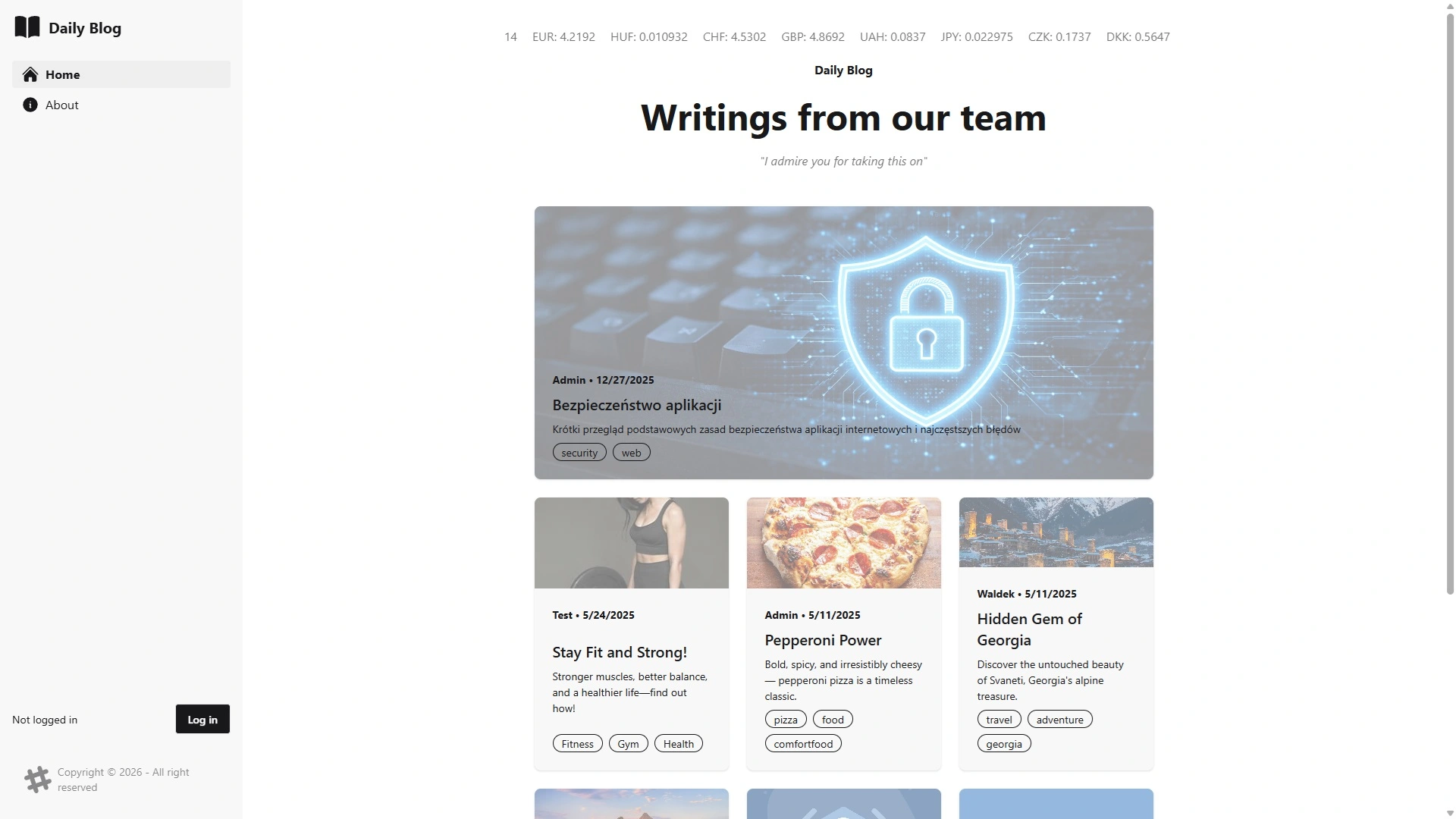
Today, I primarily work with React, TypeScript, and .NET. I enjoy full-stack development, but frontend engineering is where I feel most at home: it combines technical structure with the visual and interactive details people experience directly.
I value simplicity, maintainability, thoughtful architecture, and an iterative approach to problem-solving.
My background in art still influences how I work. Drawing taught me composition; sculpture taught me patience and refinement. I now apply those same principles to interfaces, components, and applications. I didn’t stop creating when I became a software engineer — I found a new way to do it.
Beyond the Code
Outside of programming, music has always been a big part of my life. My taste has evolved from rock and metal to electronic music, especially house, wave, and darker, atmospheric sounds.
These days, my playlists might move from Gorgon City or Swedish House Mafia to Sidewalks and Skeletons, HEALTH, or Mareux.
I still enjoy alternative rock, too.
I also enjoy running, strength training, and cooking — although my usual chicken-and-rice routine isn’t exactly an exercise in culinary creativity.
I’m interested in visual arts, philosophy, and self-development. They keep me curious and give me new perspectives beyond the screen.
Looking Ahead
I want to keep growing as a frontend and full-stack engineer, creating products that combine solid engineering with thoughtful user experiences.
I’m also interested in developing my own software products and expanding my work with clients. I enjoy the idea of taking a project from its first concept to something people can actually use.
And there’s still one dream that goes all the way back to childhood: making my own video game.
After all, that’s where this journey began. The idea of building a world that others can explore excites me just as much as it did when I first discovered modding.
I still have plenty to learn and many things I want to build. But the thread connecting all these experiences has never really changed — from imaginary worlds built out of blankets, through sculpture and game scripts, to modern applications.
The tools have changed. The curiosity hasn’t.
Never stop creating.